
For many children in UK primary schools, learning to write is more than just forming letters on a page. It requires fine motor skills, hand-eye coordination, and proper pencil control. One of the most effective ways to prepare young learners for handwriting and literacy is through drawing and colouring exercises.
These fun and engaging activities do much more than keep children entertained, they are essential for building pre-writing skills that support writing fluency and early literacy development.
Why colouring and drawing are essential for handwriting
Drawing and colouring help children develop the small muscles in their fingers, hands, and wrists, which are crucial for writing. These exercises support two key elements of handwriting success:
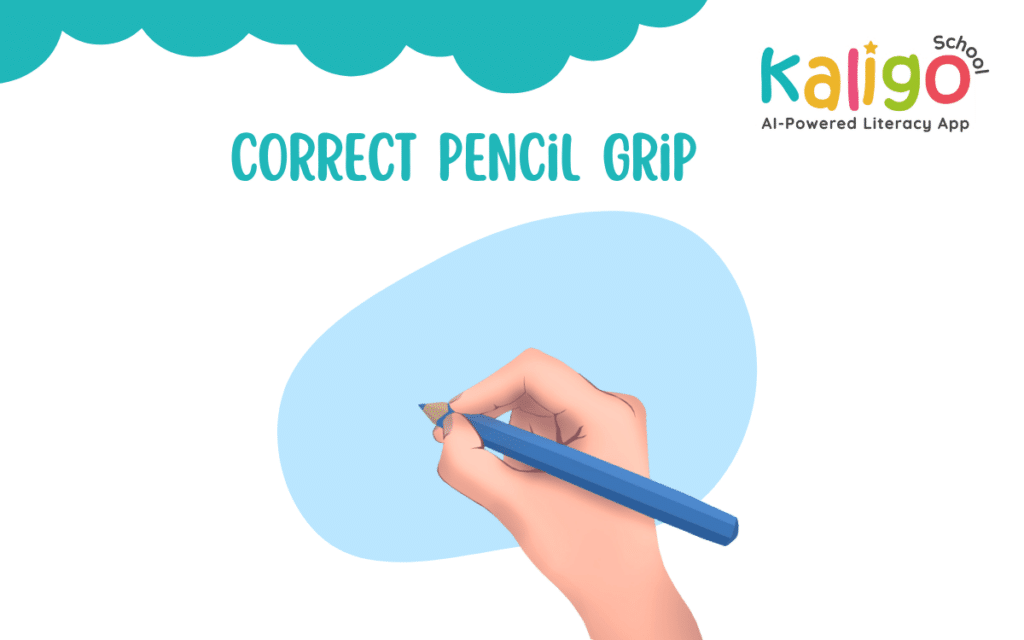
1. Correct pencil grip
A proper grip, usually the tripod grip (holding the pencil between the thumb, index, and middle fingers), allows children to write comfortably and with precision. Drawing and colouring activities help children:
- Strengthen finger muscles needed for the tripod grip
- Learn hand stability using the ring and little fingers
- Maintain control while holding the pencil for longer periods
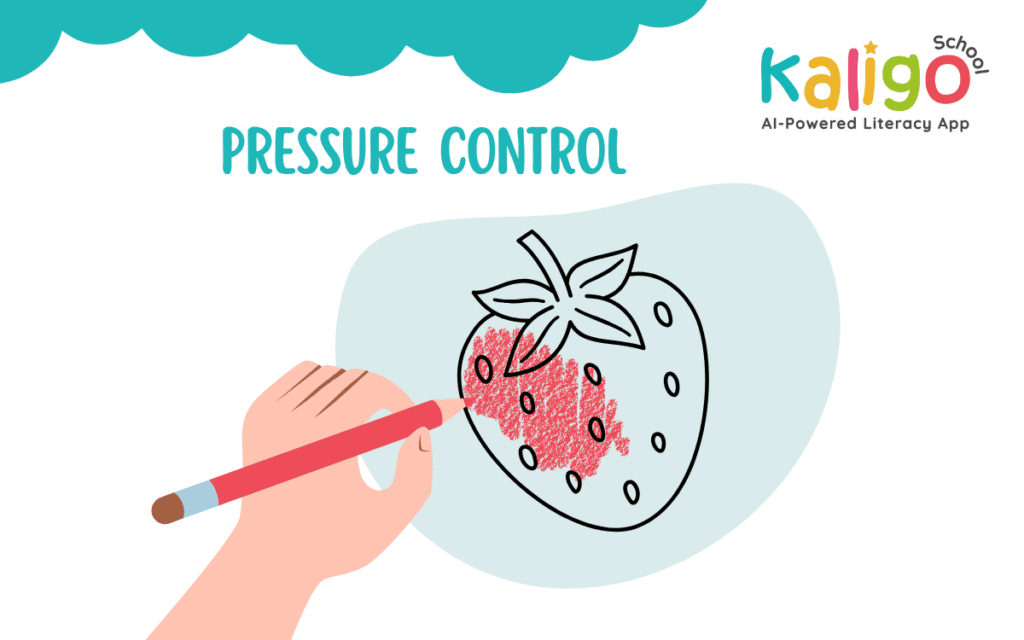
2. Pressure control
Many children struggle with writing that is either too faint or too heavy. Colouring and drawing help learners:
- Apply just the right amount of force
- Develop proprioception (awareness of hand pressure)
- Adjust pencil pressure through shading, tracing, and small pattern filling
These skills are reinforced naturally through play, helping children gain confidence, consistency, and writing endurance.
How colouring and drawing support literacy development
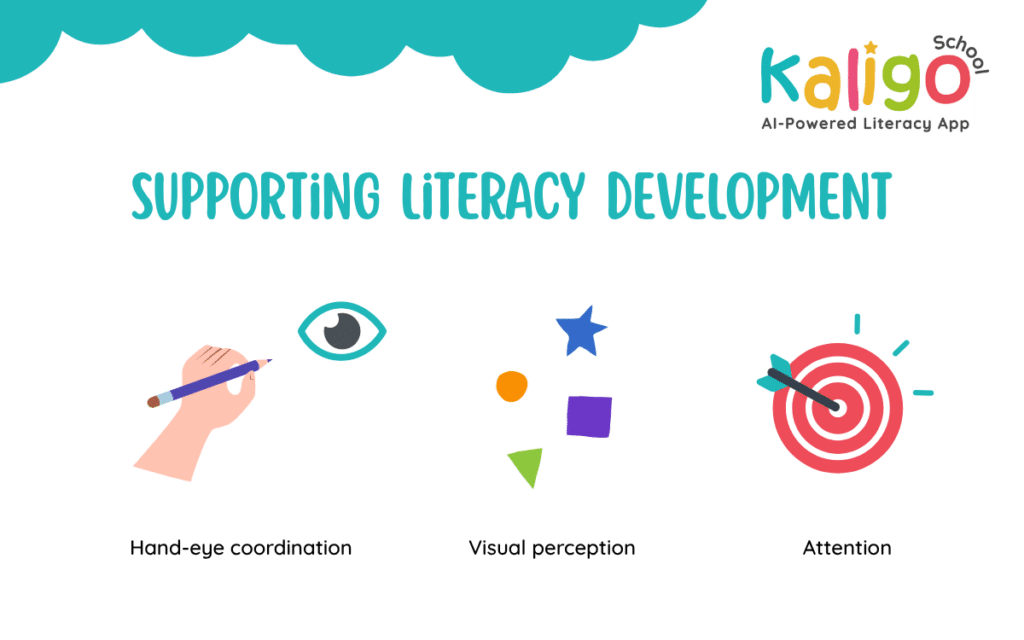
Beyond motor skills, drawing and colouring enhance a range of literacy-related skills:
- Hand-eye coordination: Following lines and boundaries improves letter formation and spatial accuracy.
- Visual perception: Recognising shapes and patterns supports reading readiness and prevents letter reversals (b/d, p/q).
- Language skills: Describing drawings and telling stories builds vocabulary, narrative skills, and sentence structure.
- Attention and persistence: Completing colouring tasks helps children focus and develop patience, which transfers to reading and writing tasks.
Practical activity ideas for UK classrooms
Teachers can incorporate drawing and colouring into daily literacy lessons with simple, effective activities:
- Alphabet colouring sheets: Reinforce letter recognition while practising grip.
- Pattern tracing exercises: Loops, spirals, and zigzags mimic pre-writing strokes.
- Story drawing: Children illustrate a short story, then label or write about it.
- Dot-to-dot worksheets: Improve hand-eye coordination and spatial awareness.
Even 5–10 minutes a day of drawing or colouring can significantly improve handwriting and literacy outcomes over time.
Kaligo’s grip, pressure and colouring exercises
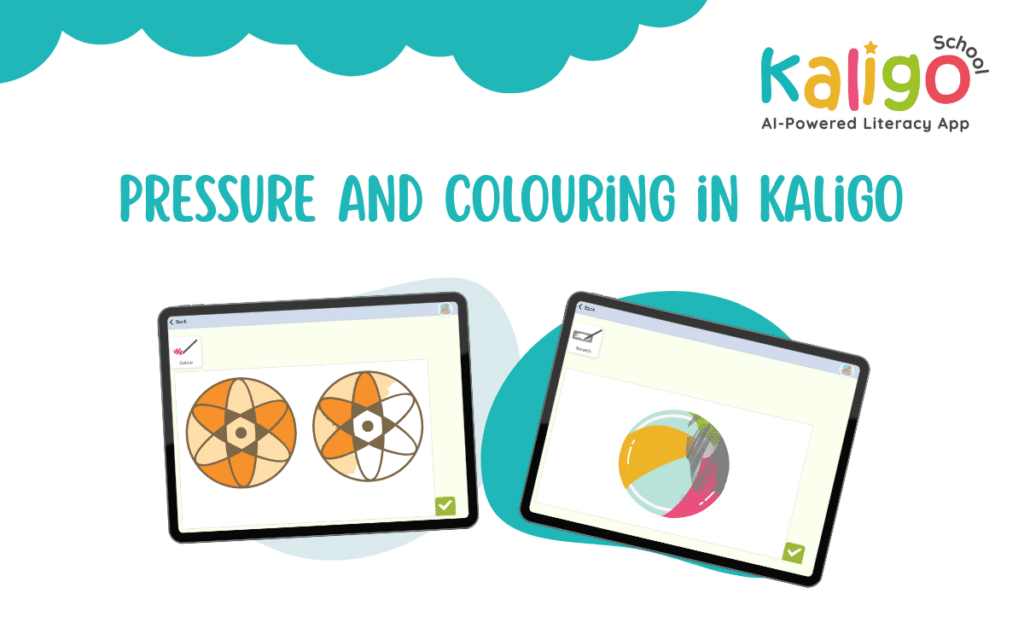
Kaligo’s platform includes targeted exercises for pencil grip, pressure control, and colouring, making it a perfect complement to classroom handwriting activities. Children can practise holding the pen correctly, adjusting the force they apply, and colouring within shapes, all within an engaging digital environment. These activities reinforce the same fine motor and literacy skills that traditional drawing and colouring exercises develop, helping pupils build confidence and precision in their writing.
Tips for encouraging proper pencil grip and pressure
Supporting children in developing the right grip and pressure is essential for comfortable, legible handwriting. Here are some practical tips for UK educators:
- Use short or triangular pencils: Shorter pencils naturally encourage the tripod grip and help children hold the pencil correctly. Triangular shapes guide fingers into the right position.
- Incorporate light shading exercises: Ask children to colour lightly and gradually increase pressure to create darker areas. This teaches them to control force while developing hand strength.
- Provide a variety of writing tools: Using crayons, coloured pencils, felt-tip pens, or textured surfaces encourages children to adapt grip and pressure to different media.
- Encourage proper posture and hand placement: Ensure the non-writing hand stabilises the paper and the wrist is relaxed. Correct posture reduces fatigue and improves control.
- Make grip fun: Use “pencil grips” or small hand exercises (squeezing putty or picking up small objects) to strengthen fingers in an engaging way.
- Praise effort and control over speed: Celebrate controlled, neat work rather than how fast a child writes, reinforcing the importance of precision.
Consistently applying these strategies helps children develop muscle memory, endurance, and confidence, which are essential for fluent handwriting.
Improve literacy outcomes with Kaligo
Drawing and colouring are far more than just creative play. They are powerful tools for developing the fine motor skills, pencil control, and literacy abilities that children need for handwriting success.
For UK educators, integrating these activities into daily lessons can make a noticeable difference in confidence, precision, and overall literacy development. By encouraging proper pencil grip, pressure control, and regular practice through drawing, teachers can set children up for long-term success in both writing and reading.
As a literacy platform, Kaligo is designed to make learning to write fun and effective. With built-in colouring and drawing activities, it helps children develop pencil grip, pressure control, and early literacy skills. UK teachers can explore Kaligo’s full features with a free 14-day trial, giving pupils hands-on practice in a playful, guided environment.
Free colouring resources to download
To support classroom and home learning, we offer a range of free colouring sheets to download, designed specifically to:
- Strengthen pencil grip
- Improve pressure control
- Reinforce early literacy skills
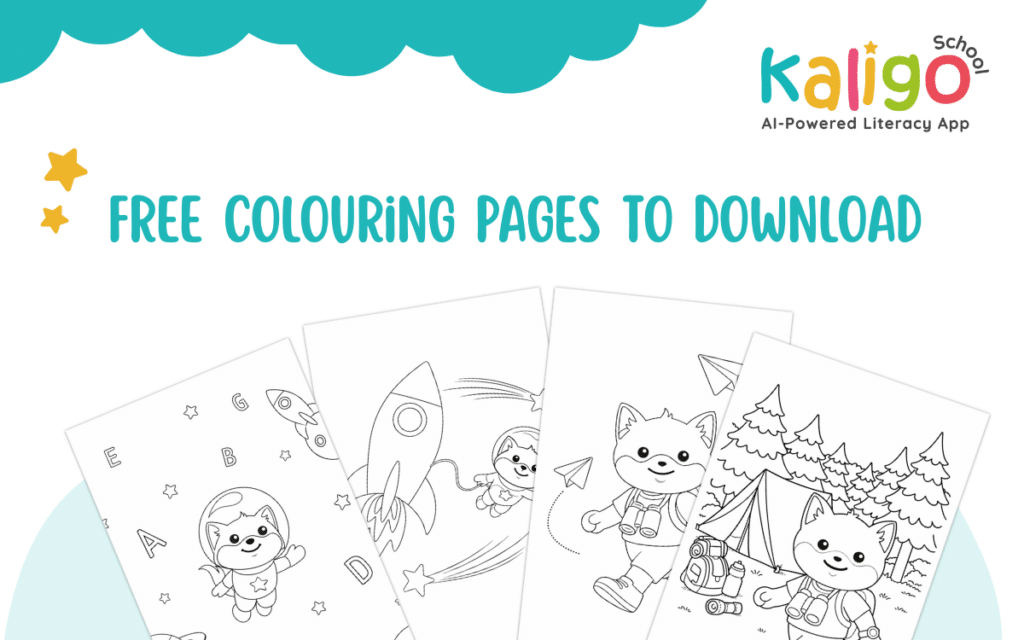
These resources make practising handwriting fun, engaging, and effective.